
 ENG
ENG  ESP
ESP 
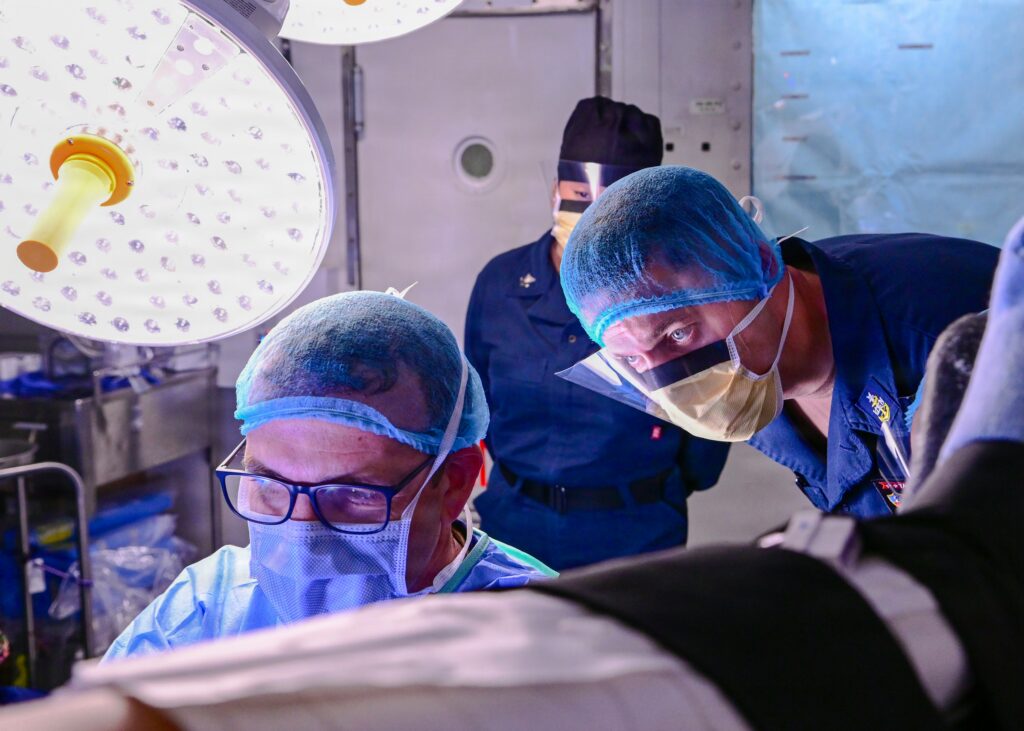
Imagine waking up one morning, opening the window and discovering that the sky is blue again. That colors have lost that yellowish veil, that your grandchildren's faces look sharp once more and that you no longer need to squint to read the restaurant menu. For thousands of people, that moment is not a dream: it is the day after their cataract surgery.
The before and after of cataract surgery is one of the most striking changes in all of medicine. In a matter of hours, cloudy vision that faded over the years can regain its clarity. But what really happens before, during and after the procedure? In this guide we explain, step by step, how your vision changes and why so many patients describe cataract surgery as "being reborn through their eyes."
What is a cataract and why does it cloud your vision?
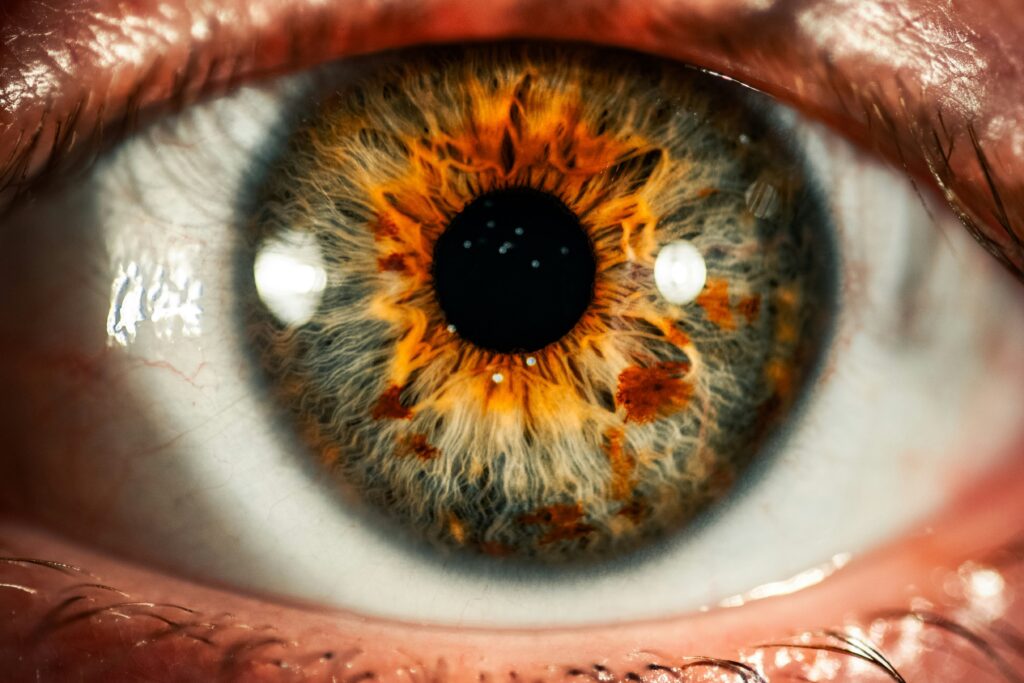
A cataract is the gradual clouding of the natural lens, the lens inside the eye that focuses light. Over time, the proteins in that lens clump together and make it cloudy, as if you were looking through a fogged-up window.
The process is so slow that many people get used to seeing poorly without realizing it. That is why understanding what vision is like before cataract surgery is the first step to grasping how big the change is.
How you see BEFORE cataract surgery
Vision with cataracts worsens quietly, but it leaves clear signs. These are the most common symptoms patients experience before surgery:
- Cloudy or blurry vision, like looking through fog or a dirty window.
- Dull or yellowish colors, which lose their vividness and intensity.
- Glare from lights, especially when driving at night or facing headlights and lamps.
- Halos around light sources.
- Difficulty reading even with the glasses that used to work.
- Frequent changes in the prescription of your glasses.
- Double vision in one eye.
If you recognize several of these signs, a cataract is very likely affecting your quality of life more than you think. The good news is that the decline is completely reversible with surgery.
The procedure: quick, safe and painless
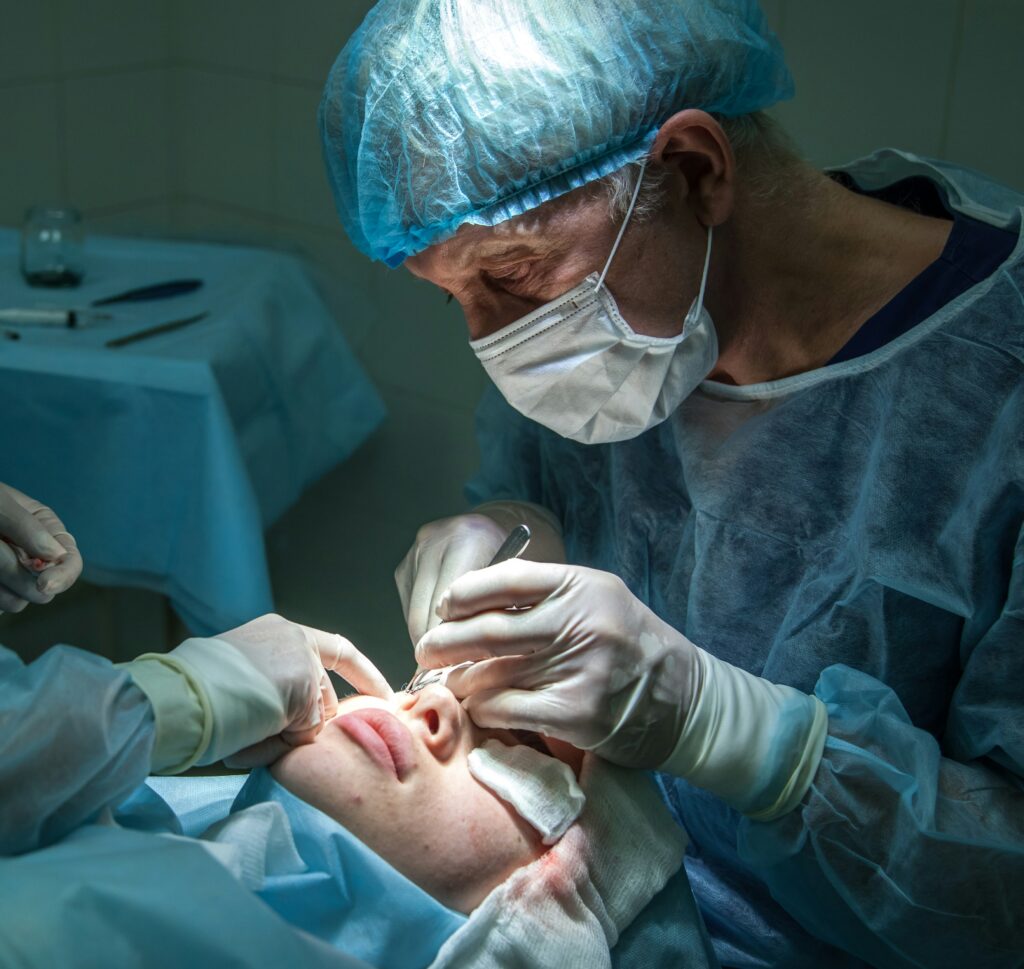
Before talking about the after, it is worth clearing up the most common fear. Modern cataract surgery (called phacoemulsification) is one of the safest and most widely performed procedures in the world.
In simple terms, the process goes like this:
- Anesthetic drops are applied, so you will not feel pain and you will not need injections or a hospital stay.
- Through a micro-incision, the surgeon breaks up the cataract with ultrasound.
- The cloudy natural lens is removed and a clear, permanent intraocular lens is placed in its position.
- The incision is so small that it usually seals on its own, without stitches.
All of this takes about 15 to 20 minutes per eye, and you go home the same day. Choosing the right intraocular lens is key, because it determines how well you will see up close, far away or at both distances after surgery.
How you see AFTER cataract surgery
This is where the magic happens. Life after cataract surgery surprises even the most skeptical patients. These are the changes most people report:
- Sharper, more defined vision, like switching from analog TV to high definition.
- Bright, true colors: many patients rediscover shades they had not seen in years.
- Better clarity at night and less glare when driving.
- Less or no dependence on glasses, depending on the type of intraocular lens chosen.
- More confidence and independence to read, drive, cook or enjoy a view.
It is no exaggeration to say that restoring your vision transforms daily life. Reading a book again, recognizing faces from a distance or driving with confidence are small but great pleasures that return after surgery.
Recovery timeline: day by day
One of the most searched questions is: how long does recovery take after cataract surgery? Every patient is different, but this is a general guide:
- Same day: your vision may be somewhat blurry or sensitive to light; this is completely normal.
- First 24 to 48 hours: many patients already notice a remarkable improvement in clarity.
- First week: anti-inflammatory drops are used, and you avoid rubbing your eye, lifting heavy objects or being exposed to dust.
- 2 to 4 weeks: your vision fully stabilizes and, if needed, a glasses prescription is adjusted for specific tasks.
Recovery is usually smooth and practically free of discomfort. Most people return to their everyday activities within a few days.
Frequently asked questions about the before and after of cataract surgery
Can I see right away after surgery?
Many patients notice improvement within hours, although vision fully sharpens over the following weeks.
Can cataracts come back?
No. The intraocular lens is permanent. In some cases a slight clouding may develop behind the lens, which is easily corrected with a laser treatment that takes just a few minutes.
Will I need glasses afterward?
It depends on the intraocular lens you choose. There are options that significantly reduce dependence on glasses for seeing both far and near.
Is the surgery painful?
No. It is performed with anesthetic eye drops, and most patients describe the process as painless.
Your vision deserves to shine again
The before and after of cataract surgery is not just a change in your eyesight: it means regaining your independence, your confidence and the joy of seeing the world clearly. What for years seemed an inevitable part of aging now has a quick, safe solution with extraordinary results.
If blurry vision has started to steal moments from you (reading, driving, enjoying colors), you do not have to settle for it. The first step is a professional evaluation to determine whether you are a candidate and which intraocular lens best fits your lifestyle.


