
 ENG
ENG  ESP
ESP 
Cataract Surgery in Cancun
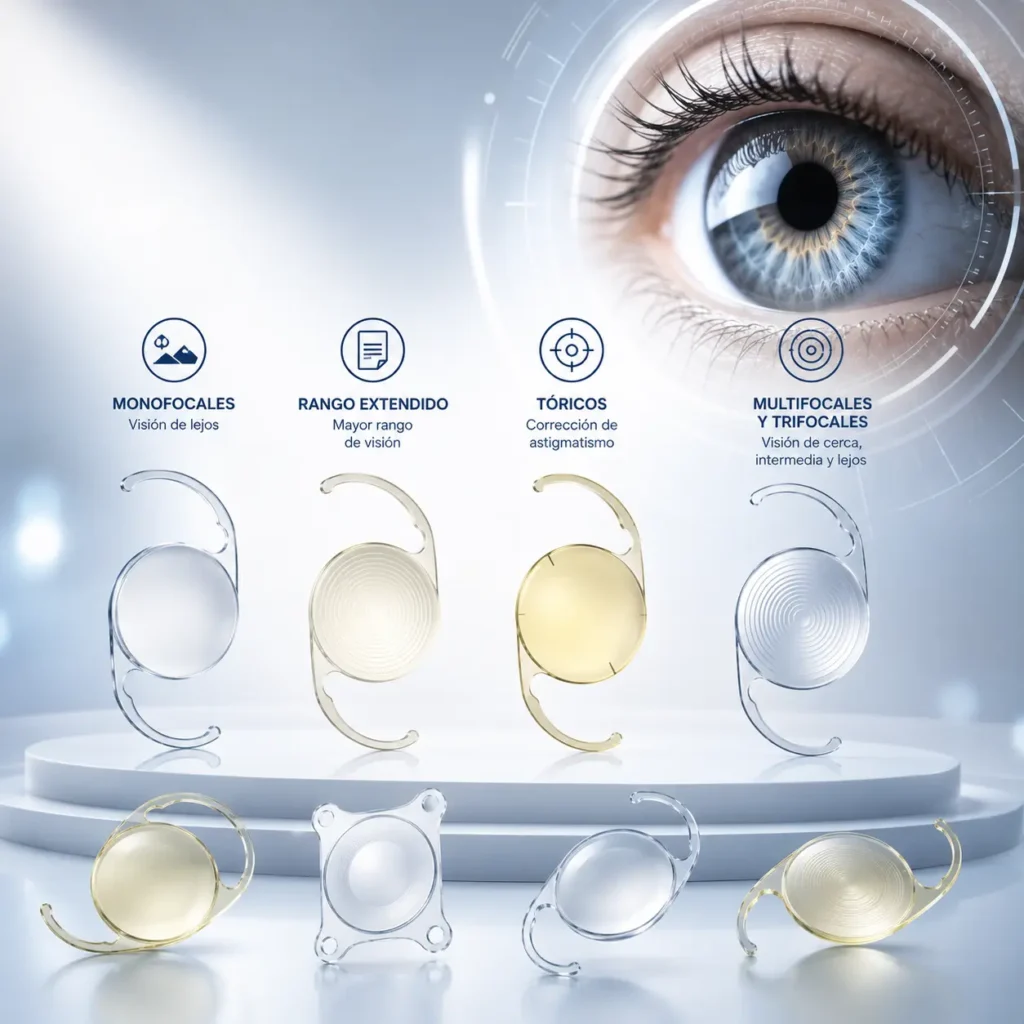
What technique is used for cataract surgery at Enfoca?
- Phacoemulsification
(Most up-to-date technique) Ultrasound is used to break up the cataract, which is then removed through a small incision.
How is it done?
High-frequency ultrasound is used to break up the cataract, which is then removed through a small incision.
When is it used?
In most cases: minimal incision, no stitches, faster recovery.
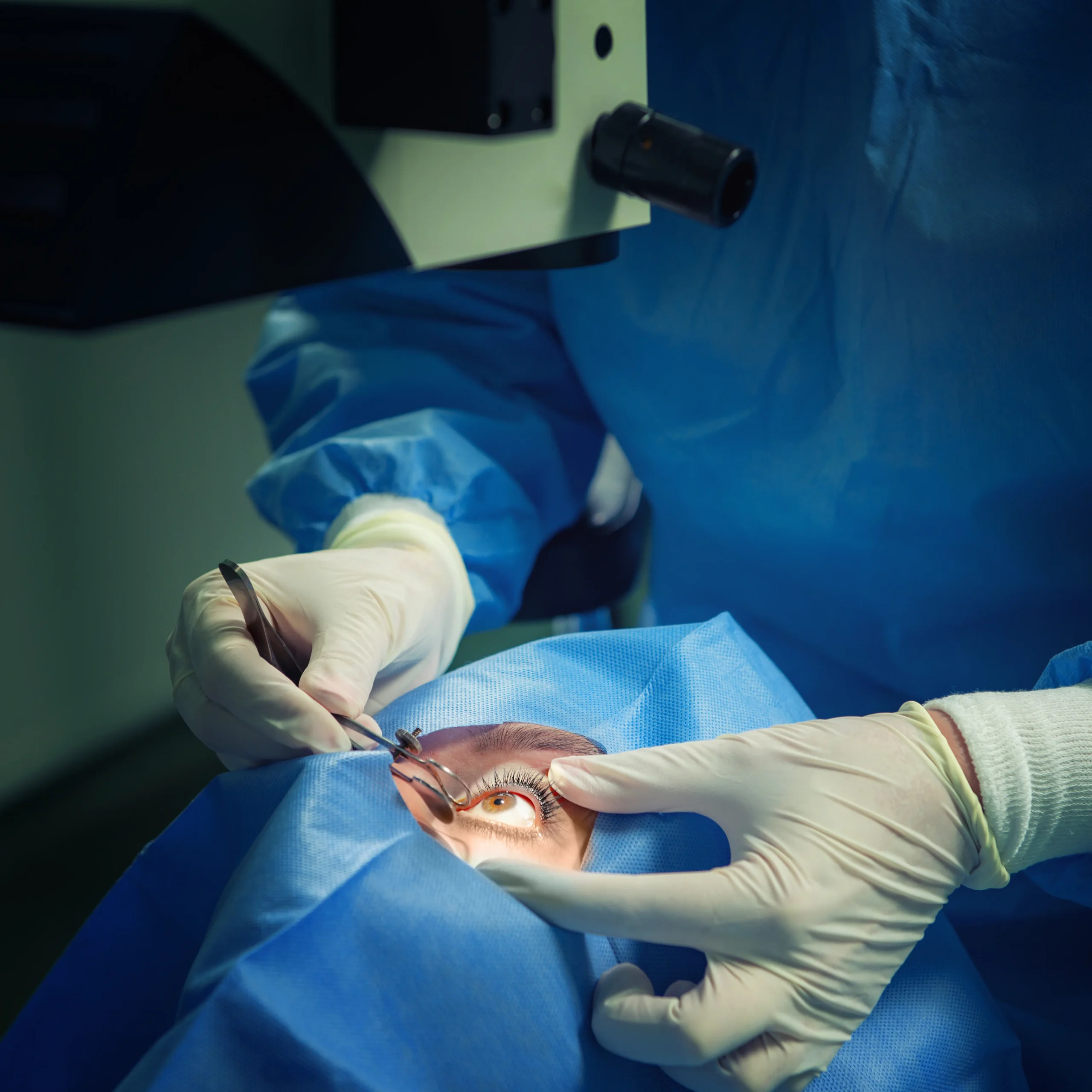
The surgery is performed on an outpatient basis and, depending on the case, usually takes no more than 10 minutes. The patient remains conscious but relaxed, feels no pain, and goes home on their own that same day.
Seeing the world clearly is not just a privilege, it is a new way of living.
What is the step-by-step process for cataract surgery at Enfoca?
The typical cataract surgery process at Enfoca includes an initial evaluation with biometry and lens selection, preparation with dilating eye drops, a 15- to 20-minute surgery under topical anesthesia, and same-day discharge. Vision usually improves significantly within the first 24 hours.
1. First appointment: evaluation, biometry, and selection of the intraocular lens.
2. Preparation on the day of surgery: dilating eye drops and topical anesthesia. You won't feel any pain, and you won't need any injections or hospitalization.
3. Surgery: phacoemulsification
4. Same-day discharge: The patient returns home on their own.
5. Scheduled checkups: the next day, the next week, and the next month.
What is the follow-up care like after surgery?
Enfoca's follow-up protocol includes checkups the day after surgery, at one week and at one month, to confirm proper healing and the visual result. If both eyes need surgery, one is operated on first and, after its recovery , usually within a week, the second one is scheduled.
Why should I choose a subspecialist for my cataract surgery?
Dr. Mario Riquelme is an ophthalmologist with a subspecialty in glaucoma and anterior segment surgery. He trained at Barzilai University Hospital (Israel) and has published research on complex cases of cataracts combined with glaucoma—training that goes beyond standard cataract surgery and is relevant for atypical or high-risk cases.
He is a member of the Mexican Council of Ophthalmology and the Mexican Society of Ophthalmology. Learn more about his background on the About Us page, and about the preoperative tests that support accurate lens calculation on the Diagnostic Tests page.
Frequently Asked Questions
This is not the usual practice. It is recommended to operate on each eye in separate sessions to ensure the safety of each eye individually. This reduces the risk of simultaneous bilateral complications.
At Enfoca, we assess whether you are a candidate for multifocal lenses based on the health of your retina and optic nerve, so you can be free from glasses during most daily activities.
Vision improves significantly within the first 24 hours; full recovery usually takes between 2 and 4 weeks, with follow-up appointments scheduled during that time.
No. It is performed under topical anesthesia (drops) and light sedation; the patient feels no pain during the procedure.
Yes. Cataract surgery is safe for most patients with controlled systemic diseases, provided that a comprehensive preoperative evaluation is performed, including monitoring of the underlying condition and, if necessary, coordination with the treating physician. At Enfoca, a comprehensive preoperative medical evaluation is conducted prior to surgery—including checks for diabetes, high blood pressure, and heart problems, among other conditions—to assess surgical risk.
Yes, it is entirely possible and safe. At Enfoca, combined surgery allows us to treat cataracts (using phacoemulsification) and glaucoma (using minimally invasive MIGS techniques or traditional techniques, depending on the specific case) in a single surgical procedure. This advanced medical approach, led by Dr. Riquelme—whose research on combined surgery was recognized at the World Glaucoma Association Meeting—successfully controls intraocular pressure and restores the patient’s visual acuity in a single procedure, avoiding the risks and physical strain of a second surgery.
By combining both surgeries at Enfoca, patients undergo a single postoperative recovery and protect their vision with state-of-the-art medical technology.
Yes, it is entirely possible and safe. At Enfoca, combined surgery allows us to treat cataracts (using phacoemulsification) and glaucoma (using minimally invasive MIGS techniques or traditional techniques, depending on the case) in a single surgical procedure. This advanced medical approach, led by Dr. Riquelme—whose research on combined surgery was recognized at the World Glaucoma Association Meeting—successfully controls intraocular pressure and restores the patient’s visual acuity in a single procedure, avoiding the risks and physical strain of a second surgery.
By combining both surgeries at Enfoca, patients undergo a single postoperative recovery and protect their vision with state-of-the-art medical technology.
Having previously undergone refractive surgery (such as LASIK or PRK) does not prevent you from having cataract surgery, but it does require a much more advanced calculation of the intraocular lens. Because the curvature of your cornea has permanently changed, at the Enfoca Eye Clinic we use special formulas and state-of-the-art corneal topography to plan your surgery. Leaving this procedure in the hands of a subspecialist in cataract and glaucoma surgery, such as Dr. Riquelme, is the only way to guarantee a precise, safe, and predictable outcome—one that a general ophthalmologist could not provide.
