
 ENG
 ESP

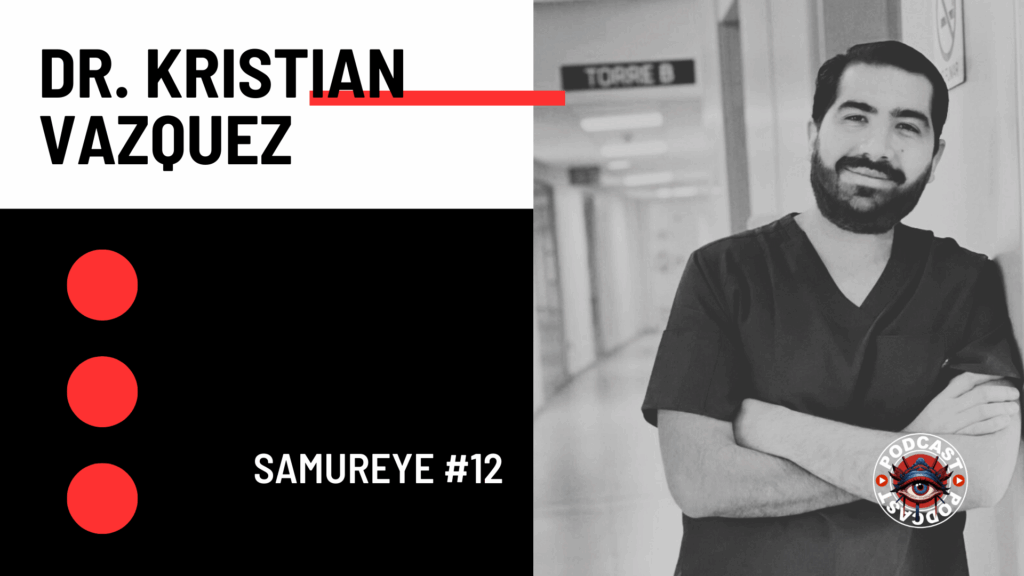
Introducing CAIRS (Corneal Allogenic Intrastromal Ring Segments). This is an innovative tissue addition technique for managing advanced keratoconus.
Our guest, Dr. Cristian Alfonso Vázquez Romo, shares his experience as a pioneer of the technique in Mexico. CAIRS does not replace PMMA rings. It is an option for grade IV keratoconus. The procedure is ideal when the patient exceeds 60 diopters. It is an alternative to avoid a corneal transplant.
Differences and Advantages
The technique allows extreme customization of the implant. The goal is to improve the patient's quality of life by reducing dependence on scleral lenses. Donor tissue offers a possible long-term structural benefit. In addition, the procedure is reversible.
Challenges and Future
The main challenge is corneal tissue procurement. This involves bureaucratic processes (CENATRA in Mexico) that limit widespread adoption. The future points to pre-procured, ready-to-implant CAIRS segments, simplifying the technique.
Refractive Stability
This is a critical concept in planning. Any secondary treatment (such as phakic lenses, ICL) must wait several months. Refractive stability of −0.75 D or less is needed to ensure success.
Where can you find us?
- YouTube: Subscribe to our channel for full episodes and exclusive content: https://www.youtube.com/@SamurEyePodcast
- Instagram: Follow us on Instagram to hear about upcoming topics, guests and highlights: @samureyepodcast


