
 ENG
ENG  ESP
ESP 
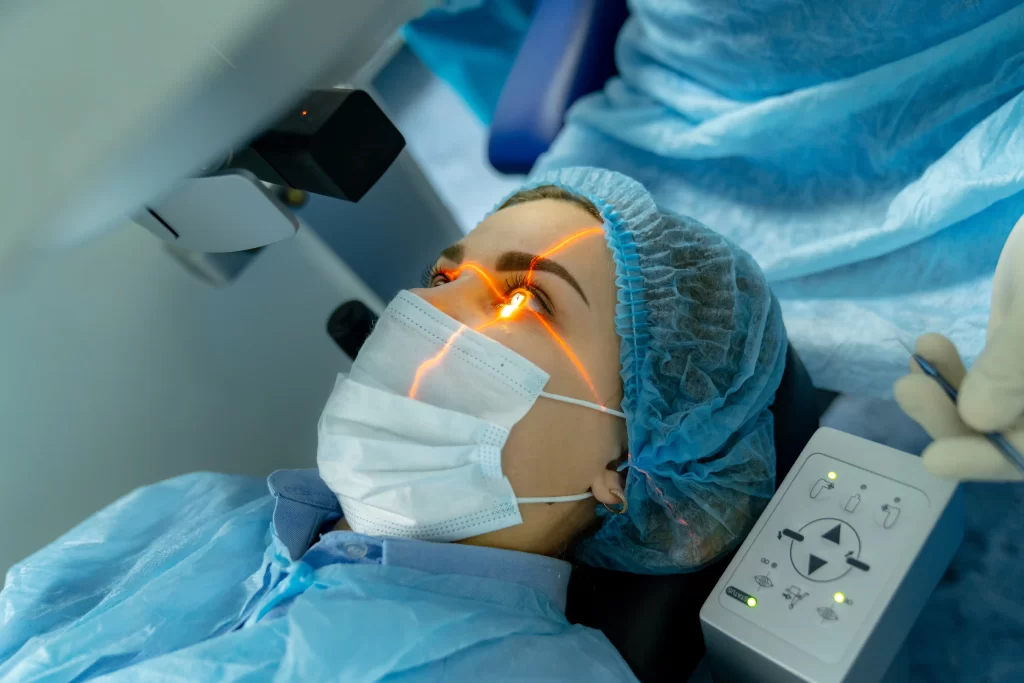
Imagine waking up in the morning and being able to see clearly without having to search for your glasses or put in contact lenses. Reading, driving, working, or enjoying a view without visual barriers is one of the reasons why more and more people are considering refractive surgery.
But before making a decision, it's normal to wonder: who can have laser eye surgery and is it really a suitable option for you.
Laser eye surgery has become one of the most effective solutions for correcting vision problems such as nearsightedness, farsightedness, and astigmatism. However, not everyone is a candidate, and understanding the requirements, benefits, and considerations is key to making an informed decision.
In this article you will discover who can have laser eye surgery, what factors are evaluated, what the procedure is like, and what you can expect before and after the intervention.
What is laser eye surgery?
Before understanding who can have laser eye surgery, it is important to know what this procedure involves.
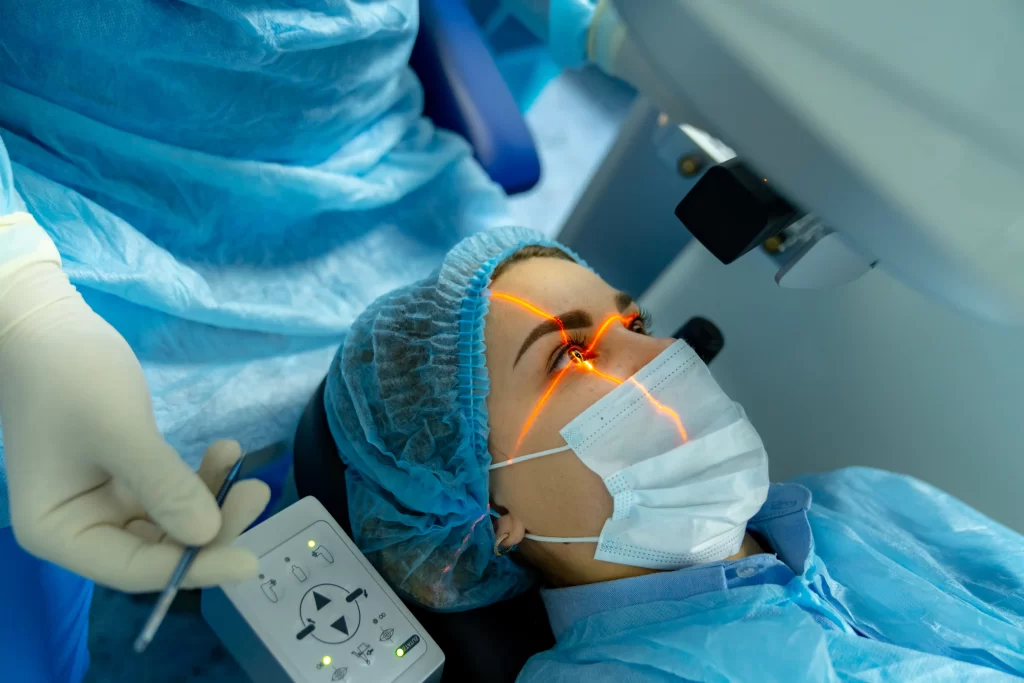
Laser eye surgery is a treatment that reshapes the cornea to correct refractive errors. By doing so, it allows light to focus properly on the retina, improving vision.
Visual problems that can be corrected
- Myopia (difficulty seeing at a distance)
- Farsightedness (difficulty seeing up close)
- Astigmatism (blurred or distorted vision)
This type of surgery includes techniques such as LASIK, PRK or SMILE, depending on the patient's characteristics.
Who is a candidate for laser eye surgery?
One of the most important questions is precisely who can have laser eye surgery. Although many people may be candidates, there are certain criteria that specialists carefully evaluate.
General requirements to be a candidate
1. Appropriate age
- It is generally recommended to be over 18 years old.
- The prescription must remain stable for at least 1 year
This ensures that the results are long-lasting.
2. Have a stable refractive error
To determine who can have laser eye surgery, it is essential that the prescription has not changed recently.
Frequent changes can affect the outcome of the surgery.
3. Good eye health
The patient must have healthy eyes. Certain conditions may prevent or postpone the procedure.
Examples of conditions to be evaluated
- Severe dry eye
- Eye infections
- Corneal diseases
- Retinal problems
4. Adequate corneal thickness
The laser acts directly on the cornea, so its thickness must be sufficient to perform the procedure safely.
5. Realistic expectations
An important aspect when defining who can have laser eye surgery is that the patient has clear expectations.
Surgery significantly improves vision, but in some cases it may be necessary to wear glasses for certain activities.
Who are NOT ideal candidates?
Just as it is important to know who can have laser eye surgery, it is also key to know who should avoid it or evaluate it more carefully.
Cases where caution is required
- Pregnant or breastfeeding women
- People with autoimmune diseases
- Patients with keratoconus
- People with unstable graduation
- Patients with active eye infections
In these cases, the specialist may recommend waiting or considering other treatments.
Benefits of laser eye surgery
Once you know who can have laser eye surgery, it's important to know its benefits.
Main advantages
- Significant improvement in vision
- Reduction or elimination of the use of glasses
- Quick procedure
- Relatively fast recovery
- Greater comfort in daily life
For many people, this surgery represents a positive change in their quality of life.
What is the procedure for laser eye surgery?
Another common question related to who can have laser eye surgery is how the procedure is performed.
General step-by-step instructions
- Preliminary evaluation
Studies are performed to determine if the patient is a candidate. - Eye preparation
Anesthetic drops are applied. - Laser application
The specialist modifies the shape of the cornea. - Completion of the procedure
The process usually takes only a few minutes per eye.
It is an outpatient procedure, which means the patient can return home the same day.
Recovery and care after surgery
After confirming who can have laser eye surgery and performing the procedure, it is important to follow certain recommendations.
Basic care
- Avoid rubbing your eyes
- Use the drops prescribed by the specialist.
- Avoid excessive screen time during the first few days
- Protect your eyes from dust and bright light
What to expect during recovery
- Progressive improvement of vision
- Slight sensitivity to light
- Temporary dryness sensation
Most patients resume their normal activities in a short time.
Frequently asked questions about who can have laser eye surgery
Is laser eye surgery safe?
Yes, it is a safe procedure when performed on suitable patients and by certified specialists.
How long do the results last?
In most cases, the results are long-lasting, especially if the prescription was stable before surgery.
Does the surgery hurt?
No. Anesthetic drops are used, so the procedure is virtually painless.
Will you need glasses again afterward?
In some cases, over time, glasses may be required for certain activities, especially with age.
Key factors before making the decision
If you're considering this procedure, understanding who can have laser eye surgery is just the first step.
You should also consider:
- Evaluation with a specialist
- Most appropriate type of surgery
- Lifestyle
- Personal expectations
Making an informed decision guarantees better results and greater satisfaction.
Take the step towards a better vision
The possibility of seeing clearly without relying on glasses is a reality thanks to advances in ophthalmological medicine.
Now that you know who can have laser eye surgery, you can assess whether this procedure is right for you. Every case is unique, so a professional evaluation is essential to determine the best option.
Laser eye surgery not only improves vision, it also transforms the way you experience the world.
