
 ENG
ENG  ESP
ESP 
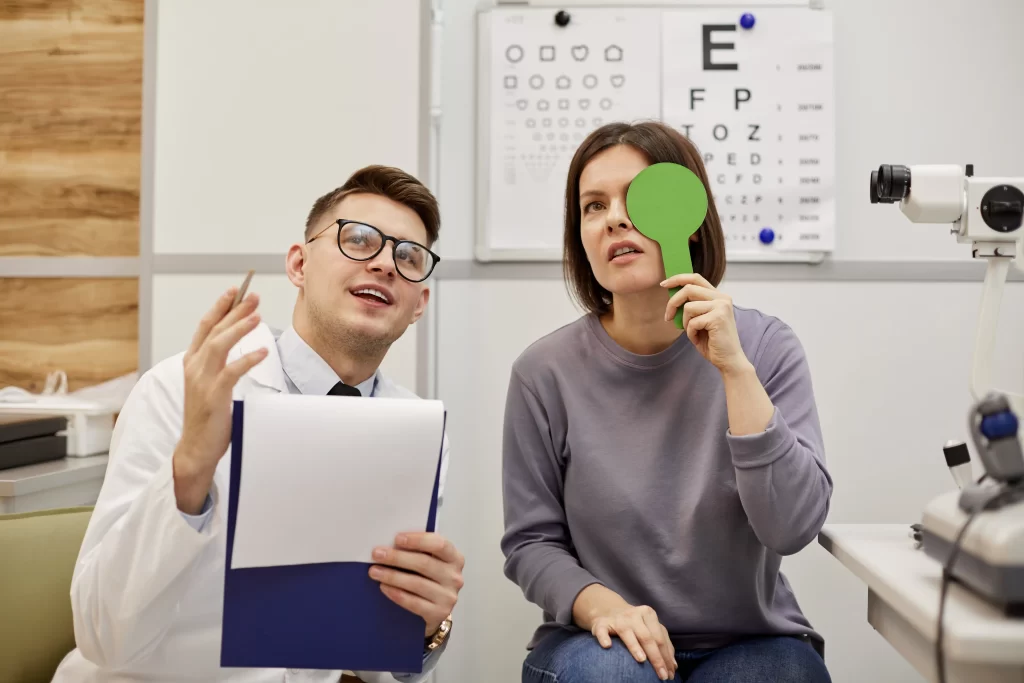
Imagine you start to notice that your vision isn’t what it used to be. The text on your phone looks blurry, you have trouble focusing when driving at night, or you even experience constant eye discomfort. The first thing you think is, “I need to get my eyes checked,” but a key question arises: Should I see an ophthalmologist or an optometrist?
This question is more common than it seems. Many people don't really know the difference between an ophthalmologist and an optometrist, which can lead to incorrect choices and delay an important diagnosis.
In this article, you'll learn in a clear and practical way What does an ophthalmologist do?, what is the role of the optometrist, and, above all, Which eye specialist to choose based on your situation.
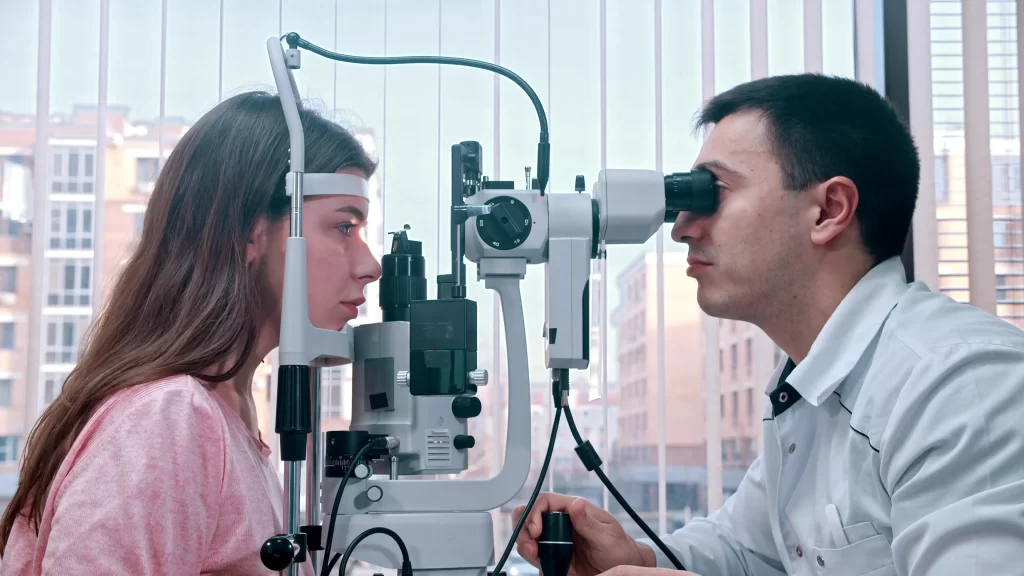
What is the difference between an ophthalmologist and an optometrist?
To understand the difference between an ophthalmologist and an optometrist, it is important to understand the structure, functions, and scope of each one.
What does an ophthalmologist do?
An ophthalmologist is a medical doctor who specializes in eye care. They have studied medicine and subsequently specialized in the diagnosis and treatment of eye diseases.
Main duties of an ophthalmologist
- Diagnose eye diseases (such as glaucoma, cataracts, and infections)
- Perform eye surgery
- Prescribe medications
- Assess complex vision problems
- Monitoring chronic eye conditions
Simply put, when it comes to medical issues, an ophthalmologist is the right specialist to see.
What does an optometrist do?
An optometrist, on the other hand, is a professional who specializes in visual assessment and the correction of refractive errors.
Main duties of an optometrist
- Get your eyes checked
- Detect problems such as nearsightedness, farsightedness, or astigmatism
- Prescribe glasses or contact lenses
- Assess visual acuity
- Identify potential abnormalities and refer the patient to an ophthalmologist
Although he is not a doctor, he plays a key role in preventive eye care.
Key Differences Between an Ophthalmologist and an Optometrist
Here is a clear overview of the main differences:
Training
- Ophthalmologist: Eye doctor
- Optometrist: Eye care professional (non-physician)
Type of care
- Ophthalmologist: Diagnosis and medical treatment
- Optometrist: Visual assessment and correction with glasses
Procedures
- Ophthalmologist: He or she can perform surgeries and prescribe medications
- Optometrist: He does not perform surgeries or prescribe medications
Enfoque
- Ophthalmologist: Eye diseases
- Optometrist: Vision problems
Understanding the difference between an ophthalmologist and an optometrist is essential to making the best decision.
Who should you contact depending on your situation?
Choosing correctly can save you time, money, and complications.
Here is a clear guide to know Which eye specialist should I choose?:
Consult an optometrist if:
- Do you feel like you see blurry from far away or up close?
- Do you need glasses or to update your prescription?
- You spend many hours in front of screens.
- You have no pain or severe symptoms.
The optometrist is ideal for routine check-ups.
See an ophthalmologist if:
- You have pain in your eyes.
- You have persistent redness.
- You see spots, lights, or shadows.
- You have suddenly lost vision.
- You have a history of eye diseases.
- You need surgery or medical treatment.
In these cases, going directly to an ophthalmologist is the best decision.
Why is it important to choose correctly?
Not knowing the difference between an ophthalmologist and an optometrist can lead to common mistakes.
Risks of making the wrong choice
- Delay in the diagnosis of diseases
- Incorrect treatments
- Worsening of vision
- Higher long-term cost
That's why, understanding What does an ophthalmologist do? and when to see each specialist is key to your health.
Warning signs you shouldn't ignore
There are symptoms that indicate you should go directly to an ophthalmologist:
- Intense eye pain
- Double vision
- Extreme sensitivity to light
- Partial vision loss
- Secretions or infections
In the presence of any of these signs, avoid self-medicating or waiting.
Working together: ophthalmologist and optometrist
Something important that many people don't know is that both professionals can work together.
How they complement each other
- The optometrist detects visual problems.
- The ophthalmologist treats diseases.
- Patients are referred according to need.
This teamwork improves care and diagnosis.
Frequently Asked Questions
Can I see an optometrist first?
Yes, especially if it's a routine checkup. If they find anything unusual, they'll refer you to an ophthalmologist.
Can an optometrist diagnose diseases?
It can identify symptoms, but it cannot diagnose or treat medical conditions.
Can an ophthalmologist also perform an eye exam?
Yes, but their approach is more clinical and specialized.
Which one is better?
It's not about which one is better, but which one you need based on your situation.
Common Mistakes When Choosing an Eye Specialist
Avoid these common mistakes:
1. Going ahead based solely on a recommendation without evaluating your situation
Every vision problem is different.
2. Ignoring important symptoms
Many illnesses start without any pain.
3. Self-medicating or wearing glasses without an eye exam
This could make your condition worse.
How to Make the Best Choice for Your Eye Health
To make the right choice, consider the following:
- Assess your symptoms
- Determine whether it is a vision problem or a medical issue
- Don't put off your checkups
- Find certified professionals
Remember the difference between an ophthalmologist and an optometrist will help you take action in a timely manner.
Seeing well also means living better
Taking care of your eyesight isn't just a matter of comfort; it's a decision that directly impacts your quality of life.
Now that you know the difference between an ophthalmologist and an optometrist, you have a major advantage: you know exactly Which eye specialist should I choose? depending on your needs.
Don't ignore your body's warning signs. A timely checkup can prevent more serious problems and give you peace of mind.
If you've noticed any changes in your vision or just want to make sure everything is okay, now is the perfect time to take action.
Schedule an eye exam, learn more about your eye health, and take the first step toward a better quality of life. Your eyesight is worth it.


