
 ENG
ENG  ESP
ESP 
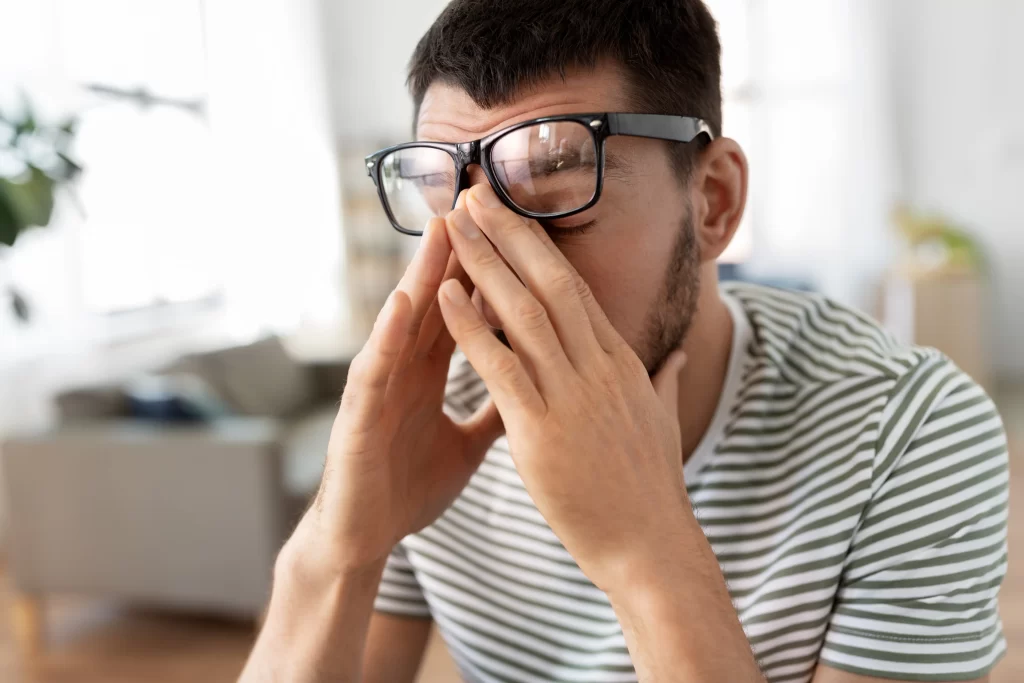
Visual health is often taken for granted... until something changes. Maybe you start to notice that lights dazzle you more than usual, that your vision gets blurry at the end of the day, or that reading small labels has become a challenge. These signs, although common, can be the beginning of common eye diseases in adults that progress silently and affect your quality of life if not detected in time.
In this article, you will find a complete, clear, and reliable guide to identifying the most common eye diseases, its symptoms, risk factors, and how to prevent complications. If you are looking for useful information, real-life examples, and answers to the most common questions about how to detect glaucoma, understand the waterfalls, or identify the most common visual problems, this content is designed for you.
Your vision is a treasure. Today you will learn how to protect it.

Why Is It Important to Detect Eye Diseases Early?
Most eye diseases progress without pain and without obvious symptoms in their early stages. This means that many people do not realize that their vision is at risk until the damage is already irreversible.
Detecting them in time allows:
- Preserve your vision for more years.
- Avoid costly treatments.
- Control progressive diseases such as glaucoma or macular degeneration.
- Improve your quality of life and safety (especially when driving or working).
- Reduce the risk of eye emergencies.
The first step is to know which are the most common eye diseases in adults and learn to identify their early signs.
Most Common Eye Diseases in Adults
Below is a clear and simple guide to the most common visual conditions, how to recognize them, and why they need timely attention.
Cataracts: The most common cause of blurred vision in adults
Cataracts are an opacity of the lens of the eye. Over time, this structure becomes stiffer and less transparent, creating blurred vision or "like behind a fogged-up glass."
Most common cataract symptoms:
- Blurred or cloudy vision.
- Increased sensitivity to light.
- Halos around bulbs or nite lights.
- Constant changes in the prescription of the glasses.
- Difficulty seeing at nite.
- The colors appear dull or yellowish.
Risk factors:
- Age over 50 years.
- Diabetes.
- Frequent exposure to the sun without protection.
- Tobacco consumption.
- Family history.
How are they detected?
A comprehensive eye exam allows for identifying its stage and planning whether treatment or future surgery (quick and highly effective) is necessary.
Glaucoma: The "silent thief" of vision
Glaucoma is a serious eye disease that progressively damages the optic nerve. Many times it does not present visible symptoms in its early stages, making it one of the main causes of irreversible blindness.
How to detect glaucoma in time: early signs
Although it is usually silent, some signs can alert you:
- Gradual loss of peripheral vision (as if your field of vision were becoming "narrower").
- See halos around the lights.
- Occasional eye pain.
- Red eyes without explanation.
- Headache accompanied by blurred vision.
In advanced stages, the visual loss is evident, but it can no longer be recovered.
Risk factors for glaucoma:
- Age over 40 years.
- Family history of glaucoma.
- Ocular hypertension (elevated pressure inside the eye).
- Diabetes.
- High myopia.
Important: It can only be detected thru an eye exam with intraocular pressure measurement and evaluation of the optic nerve.
Age-Related Macular Degeneration (AMD)
It is one of the main causes of central vision loss in older adults. It affects the macula, which is the area responsible for seeing fine details such as reading, recognizing faces, or driving.
Symptoms of AMD:
- Difficulty reading small letters.
- Distorted vision (straight lines that look wavy).
- Dark spots in your central vision.
- Reduced contrast perception.
Risk factors:
- Age over 60.
- Smoking.
- Dieta pobre en antioxidantes.
- Family history.
Early detection allows treatments that slow its progression.
Diabetic retinopathy
People with diabetes have an increased risk of developing this disease, which damages the blood vessels in the retina.
Most common signs:
- Fluctuating blurry vision.
- Spots or "floaters."
- Difficulty seeing at nite.
- Dark areas in the visual field.
Detecting it early is essential to prevent irreversible vision loss.
Dry Eye Syndrome
Although it does not cause blindness, it is one of the most common and bothersome eye diseases in adults.
Symptoms:
- Burning, itching, or a gritty sensation.
- Red eyes.
- Excessive tearing (eye reflex due to dryness).
- Intermittent blurred vision.
- Mild pain when blinking, especially in front of screens.
Factors such as age, the use of digital devices, dry weather, or certain medications increase the risk.
Presbyopia: The famous "tired eyes"
It usually appears after the age of 40 and makes it difficult to focus on nearby objects.
Symptoms:
- I need to put away my phone or books to read.
- Eye strain from working up close.
- Headaches.
- Blurred vision at short distances.
The good news: it is very common and easily corrected with the right lenses.
How to Detect These Eye Diseases in Time?
The best tool to avoid complications is early detection. These are the recommendations from specialists:
Recommended eye exams based on your age
Between 20 and 39 years old:
- Complete visual exam every 2 years.
Between 40 and 64 years old:
- Annual check-up.
- From the age of 40, the risk of presbyopia, glaucoma, and dry eye increases.
Over 65 years old:
- Exams every year or even every 6 months if there is any pre-existing illness.
Tests that help detect eye diseases
- Visual acuity: measures clarity and sharpness.
- Refraction: detects errors such as myopia or astigmatism.
- Tonometry: measures eye pressure (key to detecting glaucoma).
- Fundus examination: allows observation of the retina and optic nerve.
- OCT: advanced study to evaluate the macula and retina
These tests are quick, painless, and can change the course of your visual health.
Risk Factors You Should Not Ignore
Some eye diseases are more likely if:
- You are over 40 years old.
- You have relatives with glaucoma, cataracts, or AMD.
- You use screens for more than 6 hours a day.
- You smoke.
- You have diabetes or hypertension.
- You spend a lot of time in the sun without UV protection.
Knowing these factors helps to strengthen your prevention.
Habits to Prevent Common Eye Diseases
A healthy lifestyle is a natural protector of your vision:
- Wear UV filter glasses every day.
- Maintain a diet rich in antioxidants (spinach, carrot, salmon).
- Practice visual breaks with the 20-20-20 rule.
- Control your blood pressure and glucose levels.
- Avoid smoking.
- Maintain good lighting when reading or working.
- Keep your glasses and screens clean.
These habits do not replace medical care, but they do significantly reduce risks.
Seeing Well is Living Better
Your vision determines how you experience the world: your moments, your relationships, your work, your day-to-day.
That's why, to know the most common eye diseases in adults and learning to detect them in time is one of the best decisions to take care of your well-being.
If you have noticed symptoms such as blurred vision, discomfort in bright light, changes in your prescription, or difficulty focusing, do not ignore them. Your visual health deserves attention, prevention, and professional follow-up.


