
 ENG
ENG  ESP
ESP 
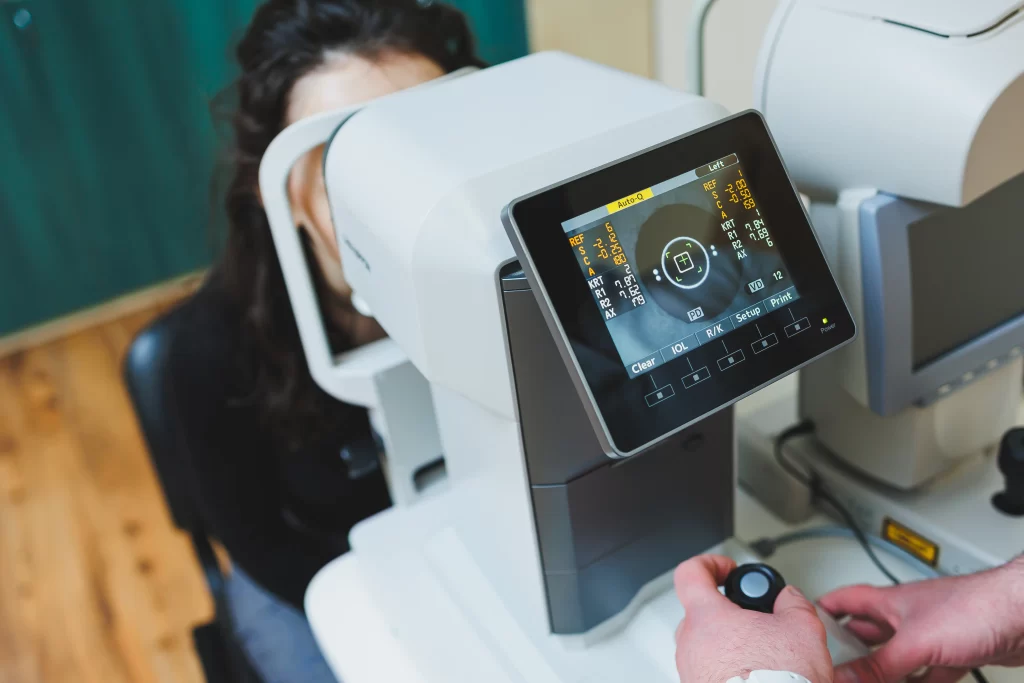
Sight is one of the most valuable senses we have and, paradoxically, one of the most neglected. In our daily lives, we tend to adapt to small visual changes: we strain our eyes, get closer to objects, or normalize eye fatigue. However, many eye diseases progress silently, without obvious symptoms in its early stages.
The early detection of eye diseases not only protects vision, but it can make the difference between a simple treatment and irreversible vision loss. In this article, you will discover why the preventive eye examination is key, what problems can be detected in time and how the prevention of visual problems it directly impacts your quality of life.

Why does visual health deserve early attention?
Unlike other conditions, many eye diseases do not cause pain or obvious discomfort at the beginning. This causes thousands of people to visit the ophthalmologist when the damage is already advanced.
Visual health is not lost overnight. Generally, it deteriorates progressively and silently. Early detection allows:
- Identify diseases before they affect vision
- Apply less invasive treatments
- Prevent long-term complications
- Maintaining a good quality of life
Invest in prevention of visual problems it's a smart decision, especially in a world where screen use and the aging population are on the rise.
What is the early detection of eye diseases?
The early detection of eye diseases it consists of identifying visual alterations or pathologies in their initial stages, even before the patient perceives symptoms. This is achieved thru a preventive eye examination, which includes specialized clinical studies.
During these check-ups, the ophthalmologist evaluates:
- Visual acuity
- Intraocular pressure
- Condition of the retina and the optic nerve
- Health of the cornea and lens
- Ability to focus and visual coordination
These evaluations allow for the detection of common and complex diseases with high precision.
Eye diseases that can be detected in time
One of the greatest benefits of preventive screening is the ability to identify diseases before they seriously compromise vision.
Glaucoma: the silent enemy
Glaucoma is one of the leading causes of irreversible blindness in the world. Its main risk is that does not present symptoms in early stages.
Early detection allows:
- Control intraocular pressure
- Avoid damage to the optic nerve
- Preserve functional vision
Without preventive eye examinations, glaucoma is often diagnosed when there is already significant vision loss.
Cataracts: More than just a consequence of aging
Cataracts cause a progressive loss of transparency in the lens. Although they are associated with age, they can also appear due to genetic factors, eye diseases, or trauma.
Detecting them in time helps to:
- Monitor their progress
- Plan the ideal time for treatment
- Avoid limitations in daily activities
Age-related macular degeneration
This disease affects central vision and can limit activities such as reading, driving, or recognizing faces.
Early detection allows:
- Halt their progression
- Apply timely treatments
- Maintain visual independence
Diabetic retinopathy
In people with diabetes, the preventive eye examination is essential. The condition known as diabetic retinopathy can progress without symptoms until it causes severe damage.
Detecting it in time helps to:
- Protect the retina
- Prevent internal bleeding
- Avoid permanent vision loss
Prevention of visual problems: beyond seeing well
The prevention of visual problems it is not limited to wearing glasses. It involves comprehensively caring for eye health throughout life.
Some key benefits of prevention are:
- Reduction of the risk of chronic diseases
- Better work and academic performance
- Greater safety while driving
- Better quality of life in advanced ages
Vision directly influences how we relate to our environment. Taking care of it is taking care of our autonomy.
How often should I have a preventive eye exam?
This is one of the most frequently asked questions and one of the most important in terms of SEO and visual health.
The general recommendations are:
- Children: first early review and periodic check-ups
- Young adults: every 1 or 2 years
- Over 40 years old: annual review
- People with chronic illnesses: as directed by your doctor
The early detection of eye diseases depends largely on keeping up with regular checkups.
Warning signs that should not be ignored
Although prevention is ideal, there are symptoms that indicate the immediate need to see an ophthalmologist:
- Frequent blurred vision
- Constant headaches
- Sensitivity to light
- Manchas o flashes in your vision
- Difficulty focusing
- Enrojecimiento ocular persistente
These signs may be related to visual problems that require professional evaluation.
Early detection in children and adolescents
Child visual health is a fundamental pillar for academic and social development. Many visual problems in children go unnoticed because they do not know how to identify or communicate what they feel.
Preventive eye examinations in children allow:
- Detect focus problems
- Correct visual defects in time
- Avoid learning difficulties
- Promote proper visual development
Early detection in childhood can change a person's visual future.
Technology and early detection: allies of visual health
Technological advances have revolutionized ophthalmology. Nowadays, diagnostic studies allow diseases to be detected with great precision even in very early stages.
Some benefits of technology in early detection are:
- Faster and more accurate diagnoses
- Personalized treatments
- Detailed monitoring of the evolution
- Greater safety for the patient
This reinforces the importance of attending preventive consultations and not just when there are discomforts.
Common myths about preventive eye exams
Despite its importance, there are beliefs that keep people away from visual care.
"I only need to go to the ophthalmologist if I see poorly."
False. Many diseases do not affect vision at the beginning.
"If I don't have pain, nothing happens."
False. Most eye diseases do not cause pain.
"The glasses solve everything"
False. Glasses correct vision, but they do not detect diseases.
Breaking these myths is key to fostering the prevention of visual problems.
Impact of early detection on quality of life
Seeing well is not just a physical matter, it is emotional and social. Vision loss affects independence, safety, and self-esteem.
The early detection of eye diseases allows:
- Maintain an active life
- Preserve autonomy
- Reduce the stress associated with visual problems
- Fully enjoy daily activities
Preventing is always easier than dealing with advanced consequences.
Seeing the future clearly starts today.
Visual health should not be left to chance. The early detection of eye diseases, the prevention of visual problems and the preventive eye examination they are fundamental pillars for maintaining good vision throughout life.
Don't wait to notice drastic changes or intense discomfort. Listening to your eyes, attending regular check-ups, and prioritizing prevention can make the difference between seeing well today and continuing to see well tomorrow.
If you haven't checked your eye health in a while, now is the best time to do it. Taking care of your eyesight today is a direct investment in your future well-being..


