
 ENG
ENG  ESP
ESP 
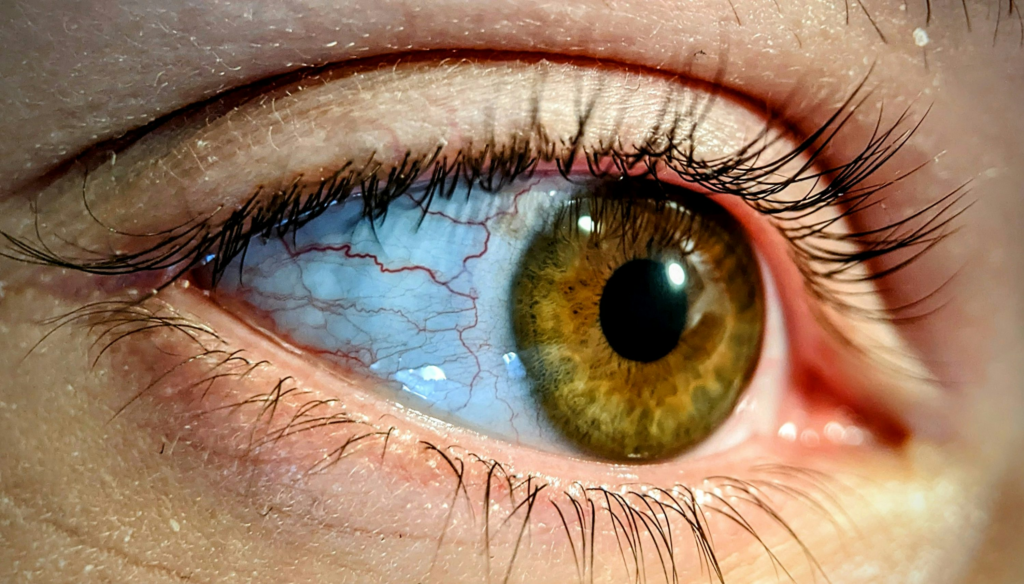
Red eyes again: fatigue or something else?
You look in the mirror and there they are: red eyes again. You attribute it to fatigue, hours in front of the screen, or lack of sleep. And it could be that. But if it happens frequently, your body might be trying to tell you something else.
Most people normalize eye redness as an inevitable part of modern life. The problem is that, when it becomes constant, ignoring it can have real consequences for your visual health.
In this guide, we explain what lies behind frequent red eyes, which signs you should not ignore, and when it's time to seek professional help.
Why do eyes turn red?
Eye redness occurs when the blood vessels on the surface of the eye become inflamed or dilated. That can happen for many reasons, and not all of them are concerning.
The most common causes
- Excessive screen use: The hours spent in front of computers, cell phones, and televisions reduce blinking and dry out the ocular surface.
- Lack of rest: The eye needs sleep to recover and lubricate. Sleeping little directly affects its appearance.
- Allergies: Dust, pollen, dust mites, and other allergens can cause constant eye inflammation.
- Dry eye: When the eye does not produce enough tears or they evaporate quickly, irritation and redness are inevitable.
Key: In many cases, redness is something mild and temporary. But when it becomes frequent or doesn't improve with rest, it may indicate something more.
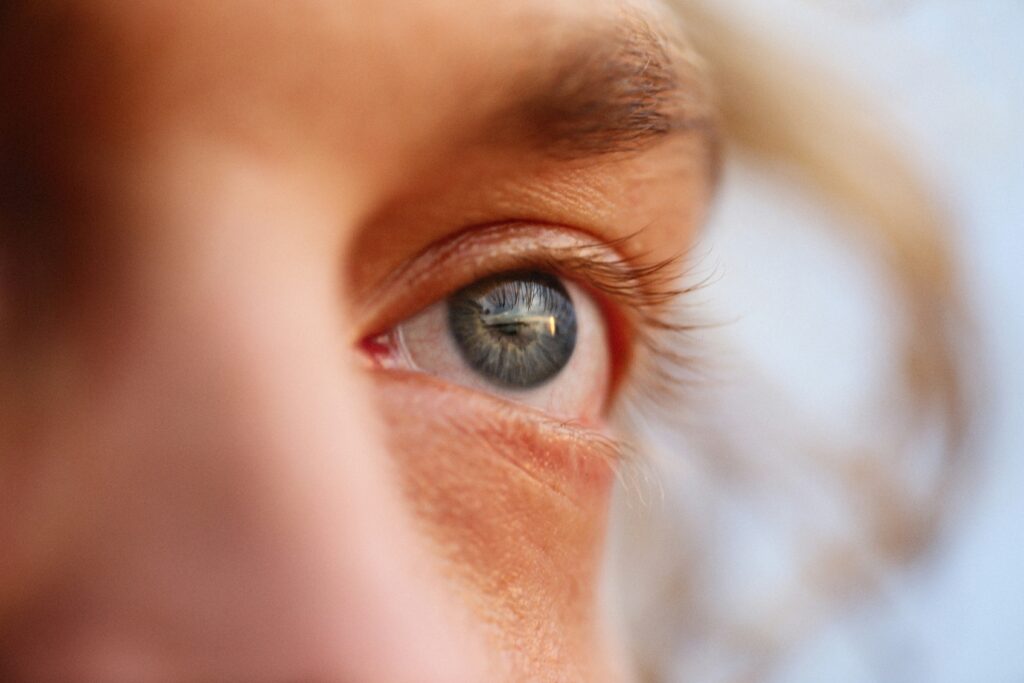
What many people don't know about frequent red eyes
Here's the detail no one tells you: when eye redness is constant, it can be a sign of something that needs medical attention, not just rest.
Less obvious causes you should know about
- Uncorrected vision problems: Myopia, astigmatism, or hyperopia without correction cause constant visual strain that ends in irritation.
- Chronic infections or irritation: Conjunctivitis, whether viral, bacterial, or allergic, can become recurrent if not treated properly.
- Eye inflammation: Conditions like blepharitis or uveitis cause persistent redness that does not improve with conventional drops.
- Incorrect contact lens use: Using them for more hours than recommended or with the wrong prescription causes corneal hypoxia and chronic irritation.
Important: Many people ignore these symptoms thinking they will resolve on their own. The problem is that some of these causes worsen without treatment.
Warning signs you shouldn't ignore
The redness may only be mild. But if it is accompanied by any of these symptoms, it's time to take action:
Alert: Burning or intense itching that does not improve with rest.
Alert: Sensation of grit or foreign body in the eye.
Alert: Blurred vision that appears along with redness.
Alert: Redness that persists for more than 48 hours without improvement.
Any of these signs indicate that it's time for a check-up, not to wait and see if it gets better on its own.
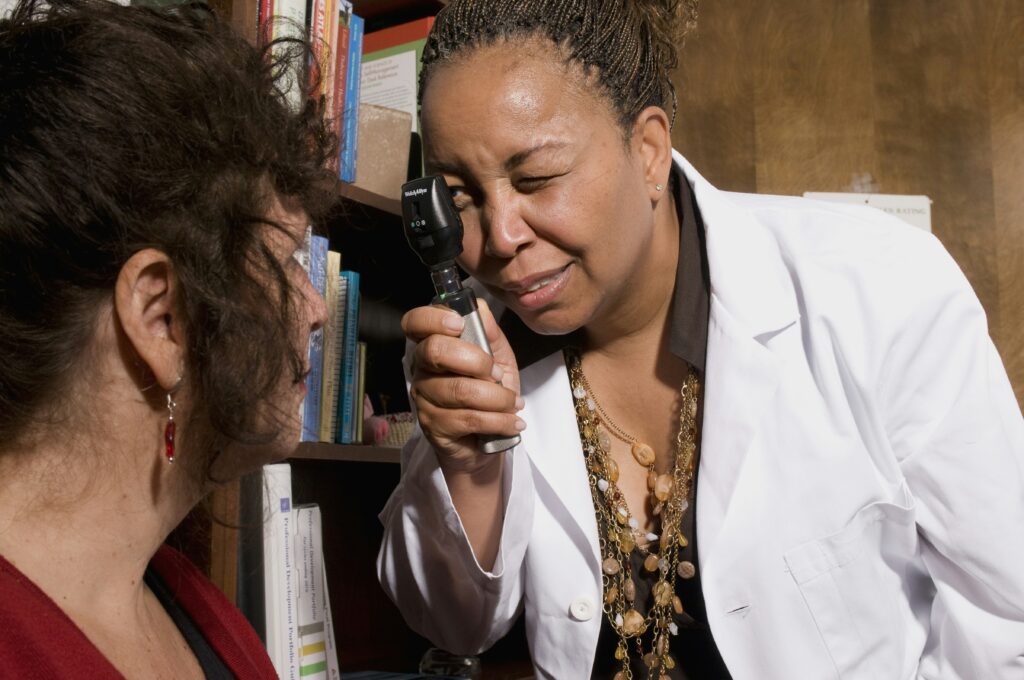
When should you see an ophthalmologist?
If your eyes are frequently red or the redness does not improve after resting and reducing screen use, it is time to consult a specialist.
What an ophthalmologist can do for you
- Identify the real cause of the redness, not just treat the symptom.
- Prescribe the appropriate treatment according to the specific diagnosis.
- Detect conditions such as glaucoma, uveitis, or infections that require specialized care
- Avoiding a minor problem from becoming one that affects your long-term vision
Key: Not everything is solved with drops. Self-medicating without knowing the cause can temporarily relieve the symptom while the underlying problem progresses.
How to prevent eye redness starting today
While you schedule your check-up, these habits can help you reduce irritation and protect your eye health:
- Apply the 20-20-20 rule: every 20 minutes of screen time, look at something 20 feet away for 20 seconds.
- Avoid rubbing your eyes, even when you feel itchy, as it worsens the irritation.
- Use appropriate glasses if you have a prescription, and update it at least once a year.
- Stay well hydrated: dehydration directly affects tear production.
- Use preservative-free artificial tears if you work many hours in front of screens.
Advice: These habits do not replace a medical consultation, but they can make a real difference in your daily visual comfort.
If your eyes are frequently red, don't ignore it.
An timely check-up can make all the difference. Schedule your appointment today.
Your visual health deserves attention, not just drops.


