
 ENG
 ESP

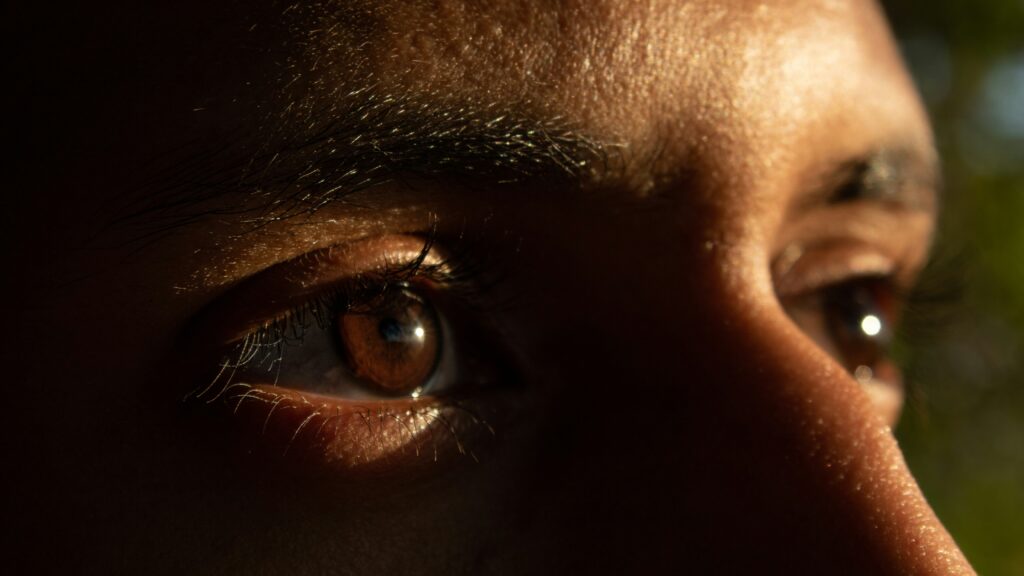
What many people think is normal... may not be
Do you find it hard to see clearly at night? Lights that seem to spread out, blurry vision while driving, or trouble making out objects in dimly lit spaces.
Most people dismiss it as tiredness or simply part of being in the dark. But the reality is that it can be an important sign about your eye health that deserves attention.
In this guide, we explain what may be causing it, when you should be concerned, and what you can do about it.
Is it normal to have poor night vision?
Not entirely. It's true that everyone's vision declines in low light: our eyes need time to adjust to the dark, and not all eyes do so in the same way.
However, there is an important difference between normal adjustment to the dark and having vision problems that interfere with your daily life.
Signs that go beyond normal
- Trouble seeing objects in low light, even after several minutes in the dark
- Lights that cause more glare than usual or appear surrounded by halos
- Difficulty driving at night even when the street is well lit
Important: If you experience any of these situations frequently, there could be something more behind it that is worth checking.
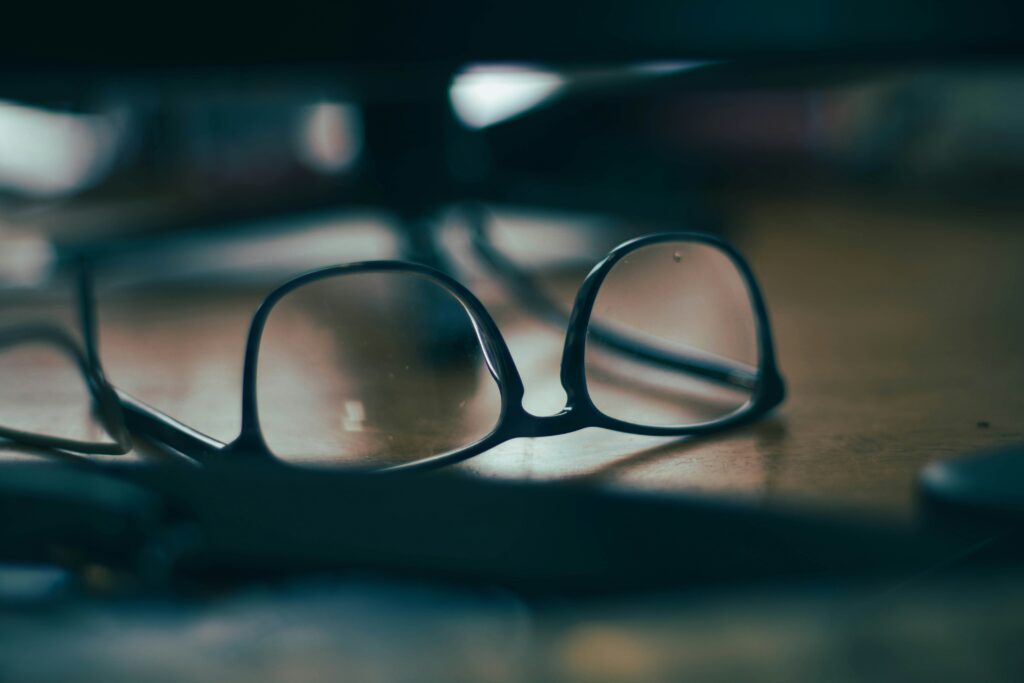
Most common causes of poor night vision
The good news is that in most cases it can be treated. These are the most common reasons a person may see poorly at night:
- Refractive errors: Uncorrected or poorly corrected nearsightedness or astigmatism are the most common causes. Nearsightedness in particular affects distance vision most and gets noticeably worse in low light.
- Lack of vision correction: Not wearing glasses when you need them, or using an outdated prescription, can be enough to affect your night vision.
- Digital eye strain: Spending many hours in front of electronic devices causes eye strain that can show up especially at night.
- Dry eye: Dry eyes don't reflect light well, which causes blurry vision or halos, especially in the dark.
Key point: In most cases, poor night vision has an identifiable cause and an effective treatment. You don't have to resign yourself to seeing it as something permanent.
Warning signs you shouldn't ignore
Some symptoms go beyond tired eyes and indicate that it's time to get a professional eye exam:
Warning: You have trouble driving at night even when the road is well lit.
Warning: You see halos, flashes or rings of light around lamps and headlights.
Warning: Your night vision has gradually gotten worse over the last few months.
Warning: You need to strain or squint to see clearly.
These signs indicate it's time for an eye exam, not someday, but soon.
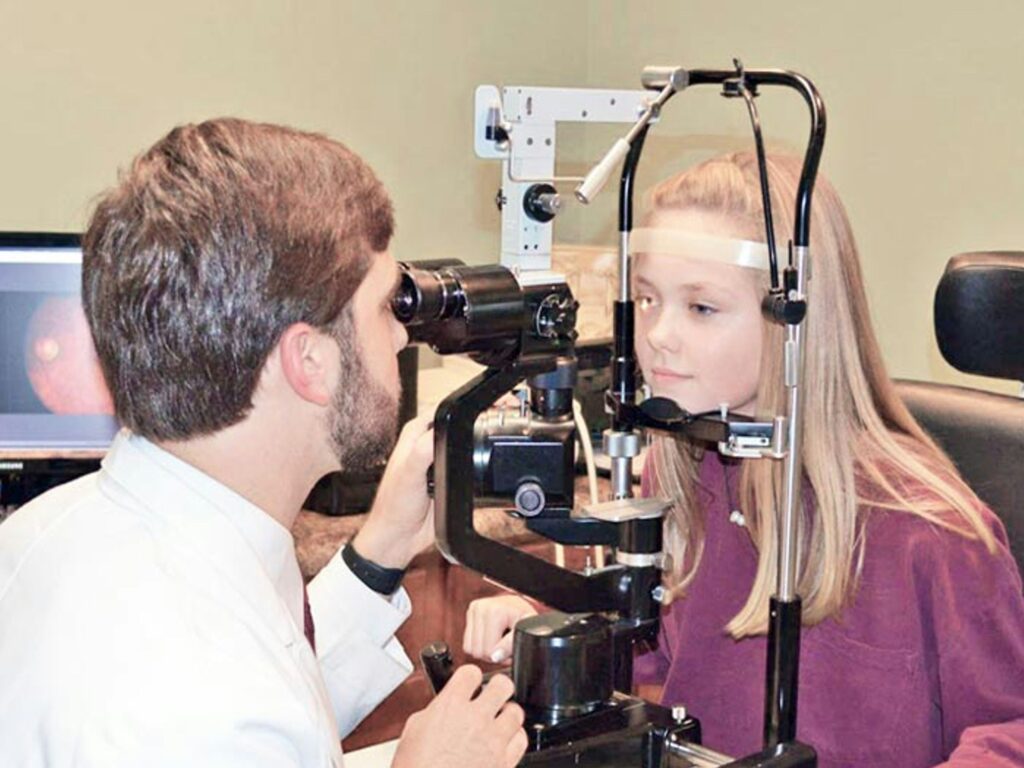
When should you see an ophthalmologist?
If any of the symptoms above sound familiar and happen often, don't let them slide. Vision is one of our most important senses and also one of the most neglected.
What an ophthalmologist can do for you
- Pinpoint the exact problem with a comprehensive eye exam
- Adjust your prescription or prescribe the correct one
- Identify conditions such as cataracts, glaucoma or others that affect night vision
- Keep a minor problem from becoming a major one
Key point: A timely eye exam can prevent bigger problems. Most causes of poor night vision are easily detected during a routine visit.
How to take care of your night vision starting today
While you schedule your eye exam, there are simple habits that can make a real difference in your eye health:
- Give your eyes a break from screens: follow the 20-20-20 rule (every 20 minutes, look at something 20 feet away for 20 seconds)
- Wear the right glasses if you need them, and update your prescription at least once a year
- Keep good lighting in the spaces where you work and relax
- Get regular eye checkups, even if you don't feel any discomfort
- Stay hydrated and eat foods rich in vitamin A, which supports eye health
Tip: The most common vision problems develop gradually. That's why many people don't notice them until they become obvious. An annual preventive eye exam is the best tool you have.
Your night vision is telling you something
Poor night vision is not something you should accept as normal or ignore. It may be a small issue with a simple fix, or the beginning of a vision problem that is best caught early.
Listening to your body, and to your eyes, is always the smartest decision. And when it comes to eye health, acting early makes the difference between a simple adjustment and a more complex treatment.
Your vision deserves attention. Don't wait for the problem to become more noticeable.
If you notice your vision changes at night, don't let it slide.
Getting checked in time makes all the difference. Book your appointment today.
Your eye health is a priority, not something to put off.


